

March 20, 2026
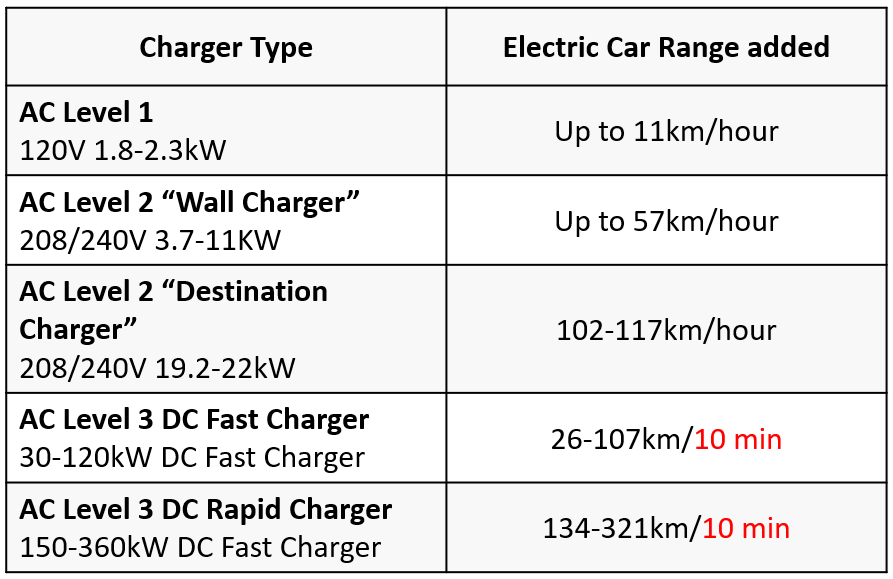
Charging time is determined by charger type as well as electric vehicle hardware. Charging equipment over 22kW is considered a fast charger.
Average charge acceptance rate increases markedly over the period, indicating substantial improvements in fast-charging capability and battery thermal management. The average rate rises from 60 kW in 2020 to 113 kW in 2022, more than doubling in two years. After a slight dip to 108 kW in 2023, charging power resumes its upward trend, reaching 127 kW in 2024 and 132 kW in 2025.
By 2026, the average charge acceptance rate increases further to 165 kW, reflecting wider adoption of high-voltage architectures, improved cell chemistries, and greater compatibility with DC fast-charging infrastructure. Overall, the trend highlights a shift from early EV usability constraints toward materially shorter charging times, supporting long-distance and mass-market adoption.
See Also:
References:
“How Long Does it Take to Charge an Electric Vehicle (EV)?”, Power-Sonic, https://www.power-sonic.com/how-long-to-charge-an-ev/ , Accessed March 20, 2026.